Fetal Monitoring: Why It’s Crucial During Pregnancy and Labor
Pregnancy and Labor are deeply personal, emotional experiences. Rightfully, mothers and families place a great amount of trust in their medical teams during labor and delivery. During this time, one of the most important tools used to protect both mother and baby is fetal monitoring.
Fetal monitoring allows healthcare providers to watch how a baby is responding to labor in real time. When used correctly, it can alert providers to early signs of distress and allow for timely intervention. When monitoring is missed, misinterpreted, or ignored, however, the consequences can be serious and, in many cases, preventable. For families left with questions after a difficult birth, understanding the role fetal monitoring plays can be an important first step toward clarity.
What Is Fetal Monitoring?
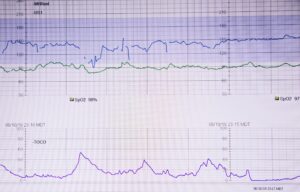
Fetal monitoring is the process of tracking a baby’s heart rate during pregnancy and labor to assess overall well-being. A baby’s heart rate offers valuable insight into how well they are receiving oxygen, especially during contractions, when oxygen levels can temporarily change.
Throughout labor, providers rely on fetal monitoring to ensure the baby is tolerating the stresses of childbirth. Changes in heart rate patterns can be early warning signs that a baby may be in trouble and needs medical attention.
How Fetal Monitoring Is Used During Labor
Healthcare providers use two primary methods to monitor a baby’s heart rate during labor.
External fetal monitoring is the most common approach. Sensors placed on the mother’s abdomen use ultrasound to track the baby’s heart rate and measure contractions. This method is non-invasive and often sufficient for routine monitoring.
Internal fetal monitoring may be used when more precise information is needed. In this case, a small electrode is attached to the baby’s scalp through the cervix. Because this method is more invasive, it requires careful use and close attention from the medical team. When internal monitoring is used, providers are expected to respond promptly to any concerning changes.
Understanding Fetal Heart Rate Patterns
A normal fetal heart rate typically falls between 110 and 160 beats per minute. Beyond the number itself, providers also evaluate patterns in the heart rate, including variability, accelerations, and decelerations.
These patterns help medical professionals determine whether a baby is coping well with labor or experiencing stress. Proper interpretation of fetal heart rate data is a fundamental responsibility of the healthcare team, and timely action is critical when abnormal patterns appear.
Why Continuous, Attentive Monitoring is Essential
Labor can change quickly, and fetal monitoring plays a key role in detecting problems early. When done attentively, it can help providers intervene before a temporary issue becomes a permanent injury.
Fetal monitoring can help identify complications such as umbilical cord compression, placental abruption, uterine rupture, infection, or other maternal health conditions that affect oxygen delivery to the baby. Early recognition of these issues can mean the difference between a safe delivery and a life-altering outcome.
Injuries Linked to Improper Fetal Monitoring
Despite its importance, fetal monitoring is not always used or responded to appropriately. Problems can arise when monitoring is inconsistent, abnormal tracings are dismissed, or warning signs are not acted upon quickly.
In some cases, providers may delay escalating care or fail to perform an intervention, such as a cesarean section, when it is medically necessary. These failures are especially concerning because they often involve missed opportunities to prevent harm.
When signs of fetal distress are not addressed in time, babies may suffer serious injuries. Oxygen deprivation during labor can lead to conditions such as hypoxic-ischemic encephalopathy (HIE), cerebral palsy, developmental delays, or other neurological impairments.
In the most severe cases, inadequate monitoring or delayed response can result in stillbirth or neonatal loss. These outcomes can have lasting emotional, physical, and financial impacts on families.
Fetal Monitoring and Medical Accountability
Healthcare providers are required to meet a recognized standard of care during labor and delivery. This includes properly monitoring fetal heart rate data and responding appropriately to signs of distress.
In medical malpractice cases, fetal monitoring records often play a central role in understanding what happened during birth. Medical Experts can review these records to determine whether the care provided met accepted medical standards. Under Michigan law, families must act within specific time limits, making it important to seek guidance as soon as concerns arise.
When Parents Have Questions After Birth
For many families, questions don’t arise until developmental delays unexpected diagnoses, or unexplained complications become noticeable following birth; it’s common to not have all the answers, and you don’t need them to consult if you have a potential malpractice case.
Birth injury cases are often complex, and timing matters. Under Michigan law, families generally have two years from the date of malpractice—or until a child’s 10th birthday, whichever is later—to file a claim. While these deadlines allow time, acting sooner can make it easier to preserve records, review care, and understand what happened.
How Hoffer & Sheremet Helps Families
At Hoffer & Sheremet, we represent families whose lives have been impacted by medical negligence during pregnancy and childbirth. Our approach is thoughtful and thorough, focusing on understanding what happened and whether it could have been prevented.
We work closely with qualified medical experts to review fetal monitoring records and other evidence. Our goal is not only accountability, but also helping families secure the resources they may need to support their child’s future care and well-being.
If you believe errors in fetal monitoring may have contributed to your child’s injury, you deserve clear answers and compassionate guidance. Hoffer & Sheremet, is here to help families seek accountability and move forward with confidence and support.