When a stroke isn’t recognized or treated in time, the outcome can change in minutes. A delay in diagnosis, a failure to order the right tests, or a breakdown in emergency care can mean permanent disability—or death.
At Hoffer & Sheremet, our Grand Rapids stroke malpractice lawyers represent patients and families across Kent County and West Michigan in medical malpractice cases involving stroke misdiagnosis, delayed treatment, and preventable brain injury. If you suspect negligence contributed to a stroke outcome, we can help you understand what happened and what options you may have.
When a Stroke Becomes Medical Malpractice
Not every bad stroke outcome is malpractice. But providers can be legally responsible when they fail to act like a reasonably careful clinician would under similar circumstances—especially in an emergency setting.
Common examples of stroke-related negligence include:
-
Failure to recognize stroke symptoms (face droop, arm weakness, speech changes)
-
Delaying emergency evaluation or triage
-
Failure to order timely imaging (CT/CTA/MRI when indicated)
-
Misreading or failing to follow up on imaging results
-
Failure to consult neurology or transfer to a stroke-capable facility
-
Delays in administering clot-busting medication (tPA/tenecteplase)
-
Failure to evaluate for large vessel occlusion and delay in thrombectomy referral
-
Medication errors (anticoagulants, blood pressure management, contraindications ignored)

-
Failure to diagnose or treat a TIA (“mini-stroke”)—a major warning sign
If a delay or error reduced the chance of recovery, worsened disability, or led to death, it may be grounds for a claim.
Stroke Symptoms Doctors and Nurses Must Take Seriously

Stroke warning signs are well-known, and emergency systems are designed to move quickly when they appear. Symptoms that require urgent evaluation include:
-
Sudden numbness or weakness (especially on one side)
-
Facial droop
-
Slurred speech, confusion, or trouble understanding
-
Sudden vision changes
-
Severe headache with no known cause
-
Dizziness, loss of balance, or difficulty walking
Even if symptoms improve, a TIA can signal an imminent stroke and demands prompt workup and treatment.
The “Window” Matters: Why Minutes Can Change Outcomes
Stroke treatment often depends on time-sensitive decisions:
-
Rapid assessment and imaging
-
Considering eligibility for thrombolytics (tPA/tenecteplase)
-
Identifying large vessel occlusion and transferring for thrombectomy when indicated
-
Preventing secondary injury (oxygenation, glucose, blood pressure, swallowing evaluation)
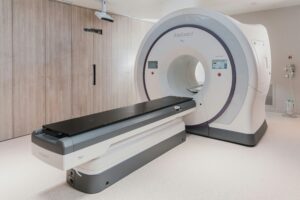
When a hospital delay, missed diagnosis, or failure to transfer causes a patient to lose access to treatment options, the consequences can be catastrophic—and preventable.
Common Stroke Misdiagnosis Scenarios
Stroke is sometimes mistaken for less serious conditions—especially when symptoms are atypical. We commonly see stroke misdiagnosis in scenarios involving:
-
“Vertigo” or “inner ear problem” diagnoses when the issue is posterior circulation stroke
-
“Migraine” diagnosis without ruling out stroke
-
“Intoxication” or “drug use” assumptions
-
“Anxiety/panic attack” labels
-
“Bell’s palsy” diagnosis without appropriate neuro evaluation
-
Discharging a patient after a “normal” test without appropriate follow-up when symptoms persist
When symptoms and risk factors demand imaging and escalation, failing to do so can fall below the standard of care.
Types of Stroke Injuries in Malpractice Cases

A stroke can cause long-term or permanent damage, including:
-
Paralysis or weakness
-
Speech and language impairment (aphasia)
-
Cognitive deficits, memory loss, personality changes
-
Vision loss
-
Swallowing dysfunction and aspiration pneumonia
-
Seizures
-
Loss of independence and need for long-term care
Our role is to connect the medical error to the worsened outcome and the life impact that followed.
Who May Be Responsible?
Depending on what happened, a stroke malpractice case may involve:
-
Emergency physicians and advanced practice providers
-
Nurses and triage staff
-
Radiologists
-
Hospital systems and staffing policies
-
Primary care providers and urgent care clinics
-
EMS delays or handoff breakdowns (in some settings)
We investigate the full timeline—what was reported, what was documented, what testing occurred, and whether appropriate steps were taken.
Compensation in a Michigan Stroke Malpractice Claim
Every case is different, but damages may include:
-
Past and future medical expenses
-
Rehabilitation, therapy, and attendant care
-
Home modifications and mobility equipment
-
Lost income and reduced earning capacity
-
Loss of consortium
-
Wrongful death damages (when applicable)
A stroke often creates ongoing needs that last for years. We work with the right experts to understand and document those costs.
Why Families Call a Stroke Malpractice Lawyer
Families often reach out when they notice:
-
The patient “looked like a stroke,” but no stroke workup happened
-
Symptoms were dismissed or not escalated
-
Imaging was delayed or never ordered
-
The hospital missed the chance to treat or transfer
-
There were long wait times with worsening symptoms
-
The discharge plan didn’t match the seriousness of the presentation
You don’t need to have every detail figured out. If something feels off, we can help you evaluate it.
What to Do If You Suspect Stroke Negligence
-
Write down the timeline (symptoms started, arrival time, tests, discharge, worsening).
-
Preserve discharge papers and portal messages.
-
Avoid discussing the case with hospital risk management before getting advice.
-
Talk to an experienced Michigan malpractice firm to review the records and determine whether negligence likely occurred.
We can often identify key issues once we see the EMS record, ED notes, nursing notes, imaging timestamps, and consult logs.
Stroke FAQs
Talk to a Grand Rapids Stroke Malpractice Lawyer
If you or a loved one suffered serious harm after a missed or delayed stroke diagnosis, you deserve clear answers. Our team will review your situation, explain what the medical records show, and tell you honestly whether we believe a claim is worth pursuing.
Please contact Hoffer & Sheremet, PLC at 616.278.0888 to learn more about compensation to which you or a loved one may be entitled to or fill out our free consultation form below.